🌿 Practical gardening guides for US home gardeners
Simple Gardening Guides to Help Every Plant Thrive
Clear, step-by-step advice on houseplants, propagation, flowers & bulbs, vegetables, fruit and lawns — exactly when to plant, how to care for it, and how to fix common problems.
✓ Beginner-friendly ✓ Based on USDA zones ✓ Updated every season
Beginner-Friendly
Plain-English steps anyone can follow — no jargon.
Hands-On Experience
Written from real growing, not copied lists.
Fact-Checked
Verified against university extension guidance.
Updated Seasonally
Planting dates reviewed for US growing zones.
Explore by topic
Find the Right Gardening Guide
Six focused topics, each packed with step-by-step guides — from your first houseplant to your first harvest.
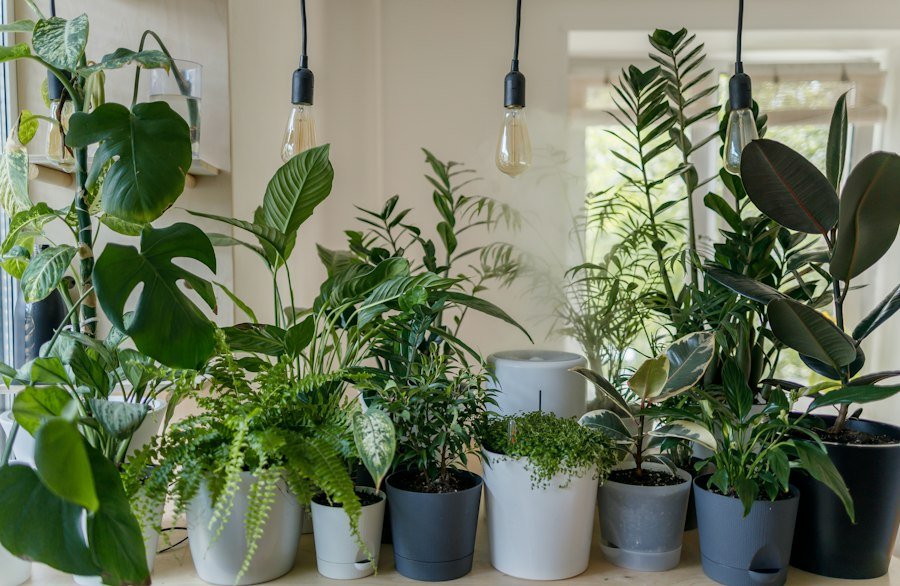
Indoor plants
Houseplants
Light, watering and care for popular indoor plants — plus fixes for yellow leaves and droopy stems.
Grow for free
Plant Propagation
Grow new plants for free from cuttings, leaves and pups — in water or soil.
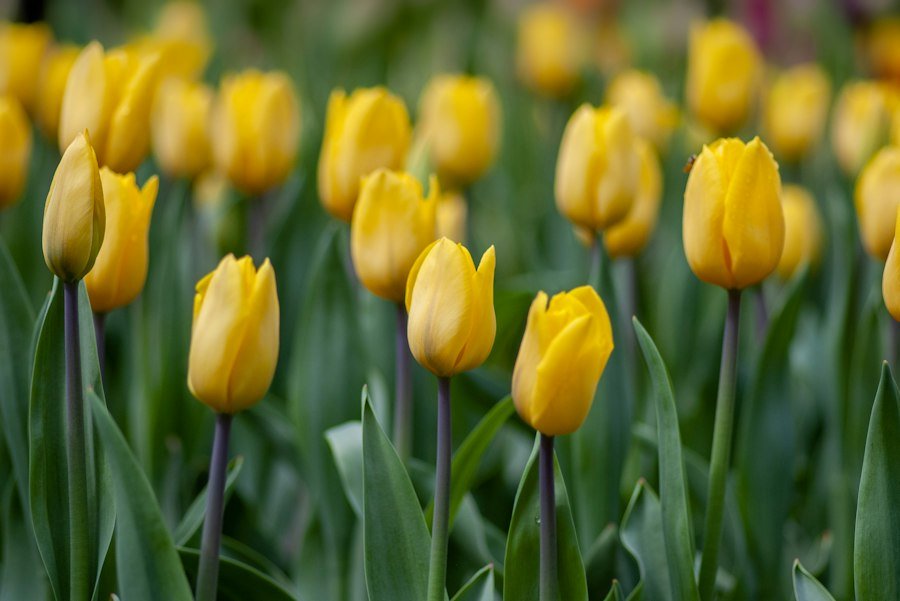
Color all year
Flowers & Bulbs
When and how to plant tulips, daffodils, irises, dahlias, zinnias and more.
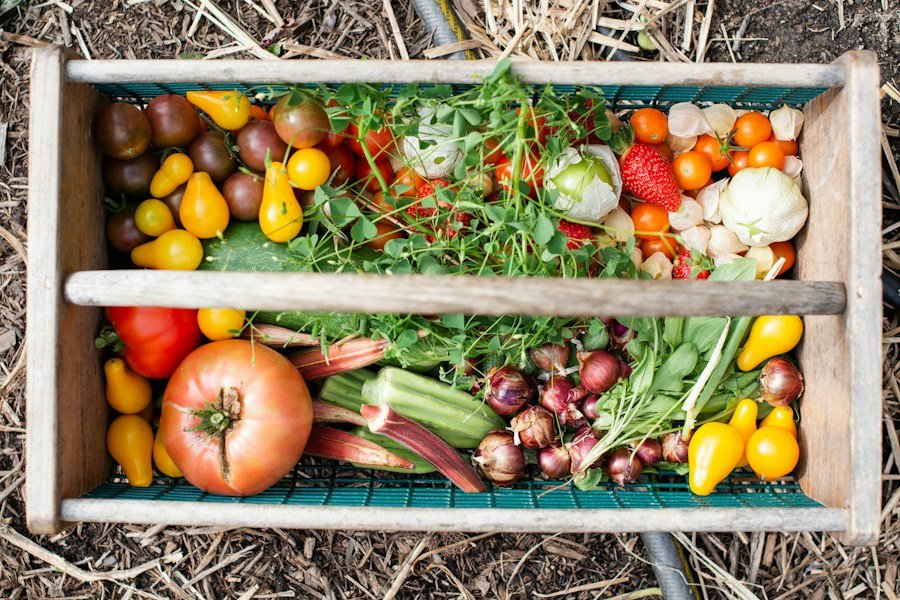
Grow your food
Vegetables & Herbs
Grow onions, carrots, potatoes, garlic, basil and even spices like turmeric at home.
Homegrown fruit
Fruit Growing
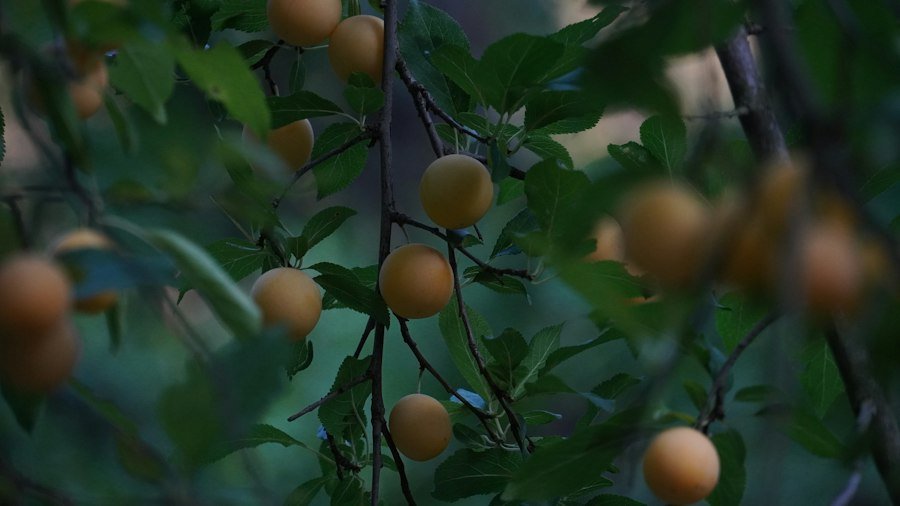
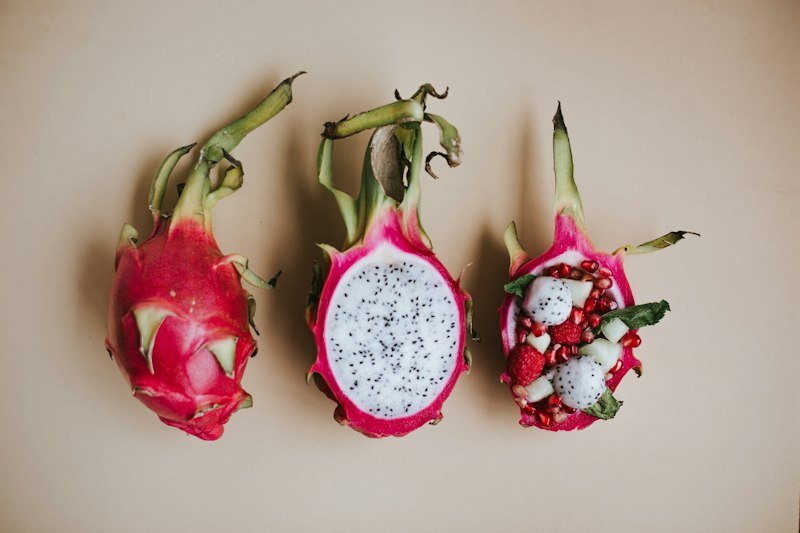
Grow dragon fruit, pineapples, mangoes and blackberries in the garden or in pots.

New to gardening? Start here
Your 4-Step Beginner Gardening Roadmap
Most plant problems come from four basics. Get these right and almost anything you grow will do better.

Step 01
Know Your Zone
Find your USDA hardiness zone — it decides what you can grow and when to plant.
Step 02
Match the Light
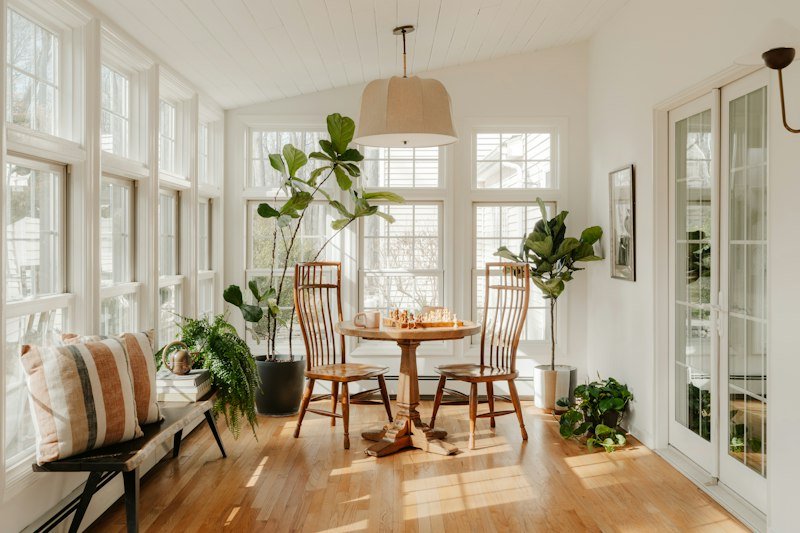
Full sun means 6+ hours of direct light. Most houseplants prefer bright, indirect light.
Step 03
Water the Right Way
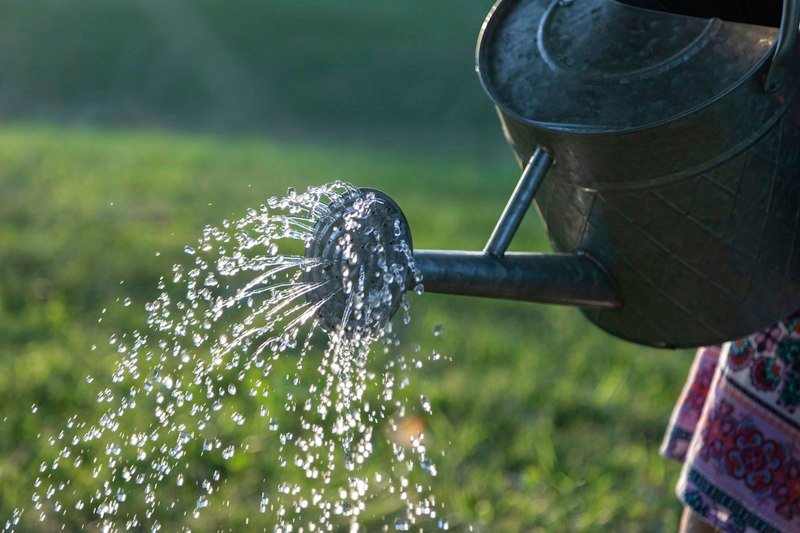
Water deeply, then let the top inch of soil dry. Overwatering kills more plants than underwatering.
Step 04
Start with Good Soil
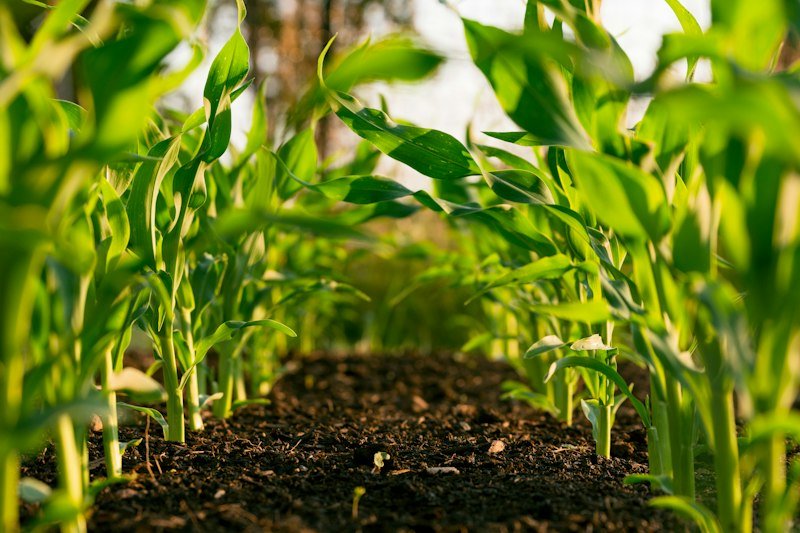
Use well-draining soil and pots with drainage holes. Add compost to garden beds every season.
Light basics
How Much Sun Do Plants Need?
Light is the #1 reason plants struggle. Use this guide to match each plant to the right spot in your home or garden.
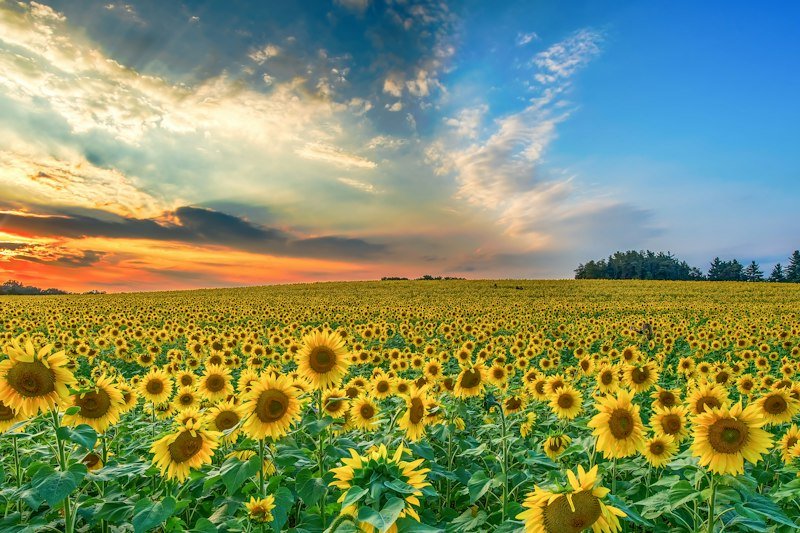
Full Sun
6+ hours of direct sun a day. Best for tomatoes, peppers, sunflowers, zinnias, lavender and most fruit.
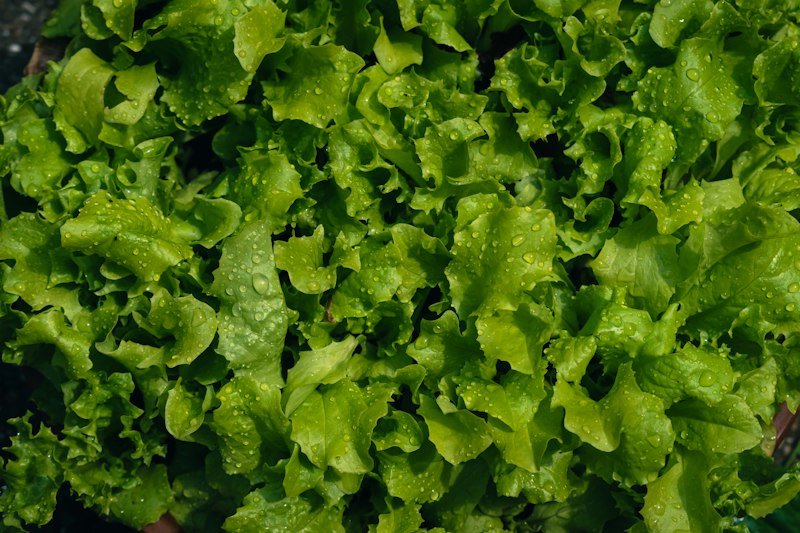
Partial Sun / Shade
3–6 hours of direct sun, ideally in the morning. Good for lettuce, kale, hydrangeas and many herbs.
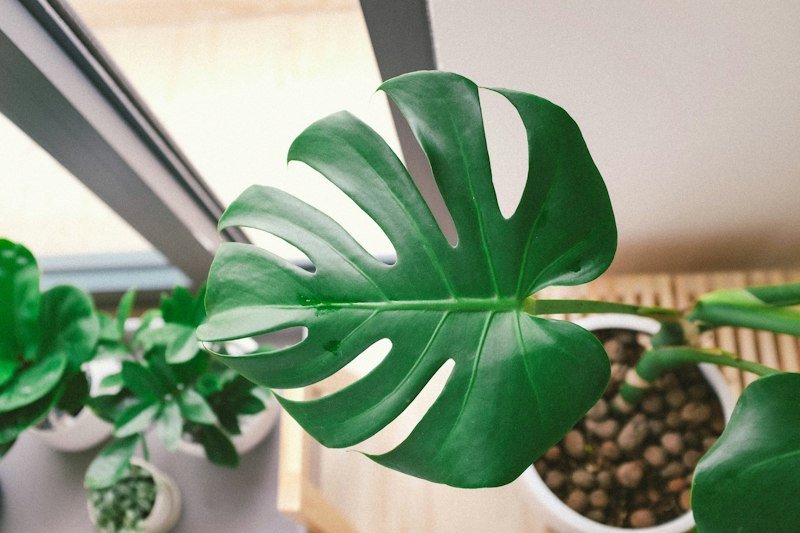
Bright Indirect Light
Near a bright window but out of harsh rays. Ideal for monstera, fiddle leaf fig, pothos and most houseplants.
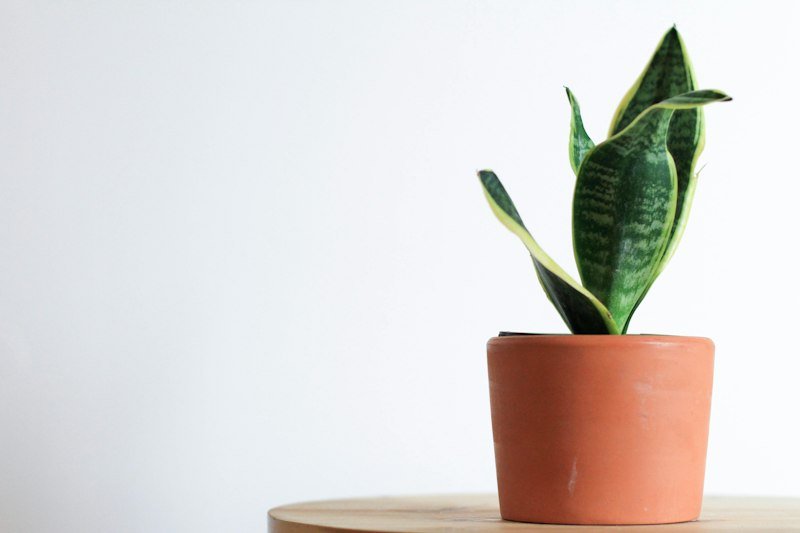
Low Light
Few hours of soft light, such as a north window. Snake plant, ZZ plant and pothos tolerate it best.
Seasonal checklist
What to Plant & Do in November
Late fall is the best time to set up next year’s garden in most US zones (3–10). Here’s your quick November checklist:
- Plant garlic before the ground freezes for a big summer harvest.
- Plant spring bulbs — tulips, daffodils and irises need winter chill to bloom.
- Bring tender plants indoors and water less as growth slows.
- Care for holiday plants like Christmas cactus and poinsettia.
- Grow indoors: broccoli sprouts, garlic greens and herbs on a sunny windowsill.
Year-round planner
US Gardening Calendar at a Glance
A month-by-month overview for most US zones. Gardeners in warm zones (8–10) can plant earlier in spring and later in fall.
| Months | What to Plant | Key Garden Tasks |
|---|---|---|
| January – February | Start onions and peppers from seed indoors, order seeds, plan beds | Houseplants: less water, more light |
| March – April | Plant potatoes, onions, peas and lettuce; sow cool-season grass seed | Divide perennials, start tomatoes indoors |
| May – June | After last frost: tomatoes, cucumbers, zinnias, sunflowers, dahlias | Mulch beds, begin regular watering |
| July – August | Sow fall crops like kale and broccoli; harvest daily | Water deeply in the morning |
| September – October | Sow grass seed, plant mums and garlic (Oct), dig up dahlia tubers | Bring houseplants inside before frost |
| November – December | Plant garlic and spring bulbs before the ground freezes | Christmas cactus & poinsettia care |
Tip: Always check your local last and first frost dates — timing can shift 2–4 weeks between zones.
USDA hardiness zones
Find Your Growing Zone
Your USDA hardiness zone is based on the average coldest winter temperature. It tells you which perennials survive winter and helps you time planting.
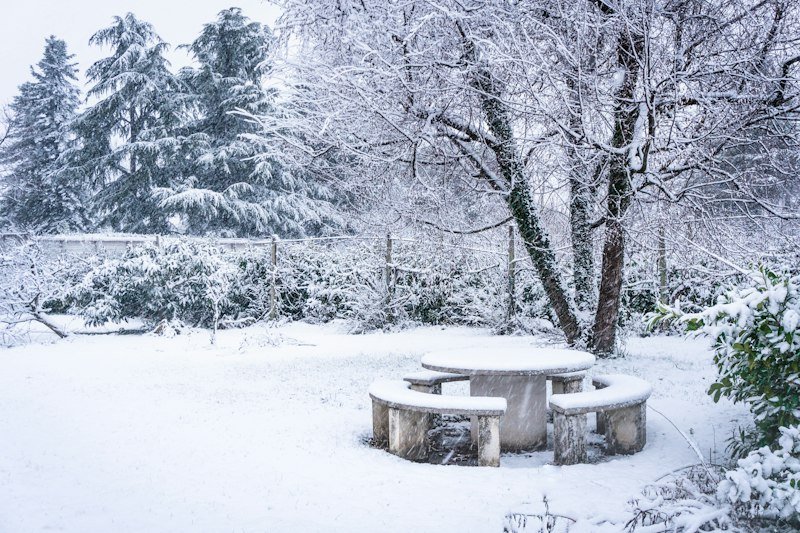
Zone 3
−40 to −30°F
Northern Minnesota, North Dakota, parts of Montana
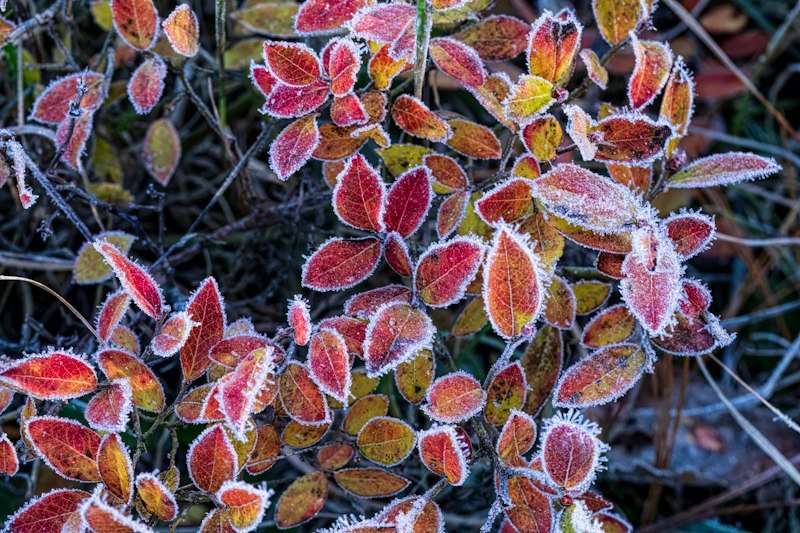
Zone 4
−30 to −20°F
Wisconsin, northern Michigan, upstate New York

Zone 5
−20 to −10°F
Iowa, northern Illinois, Colorado, Massachusetts
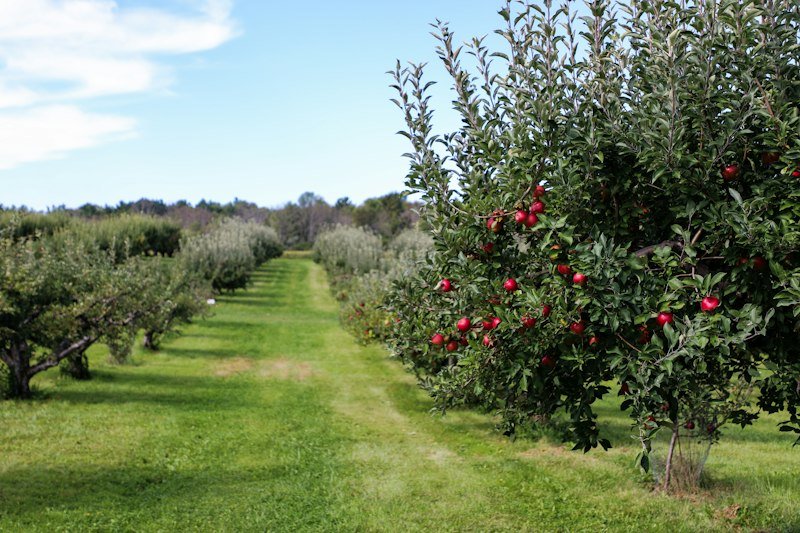
Zone 6
−10 to 0°F
Ohio, Pennsylvania, Kansas, Missouri
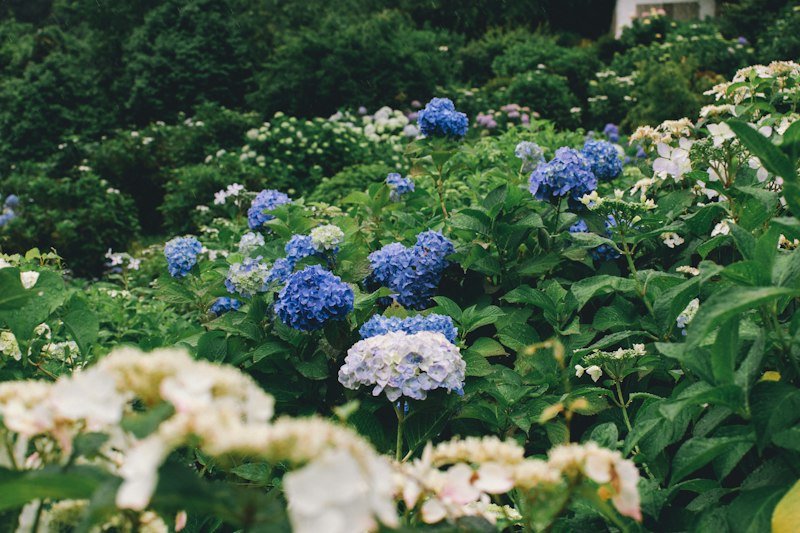
Zone 7
0 to 10°F
Virginia, Tennessee, Oklahoma, North Carolina
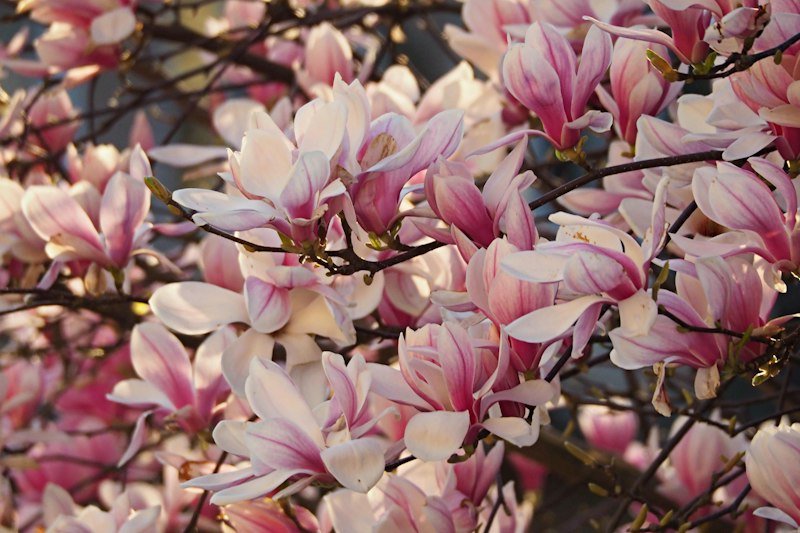
Zone 8
10 to 20°F
Georgia, central Texas, Seattle and Portland areas
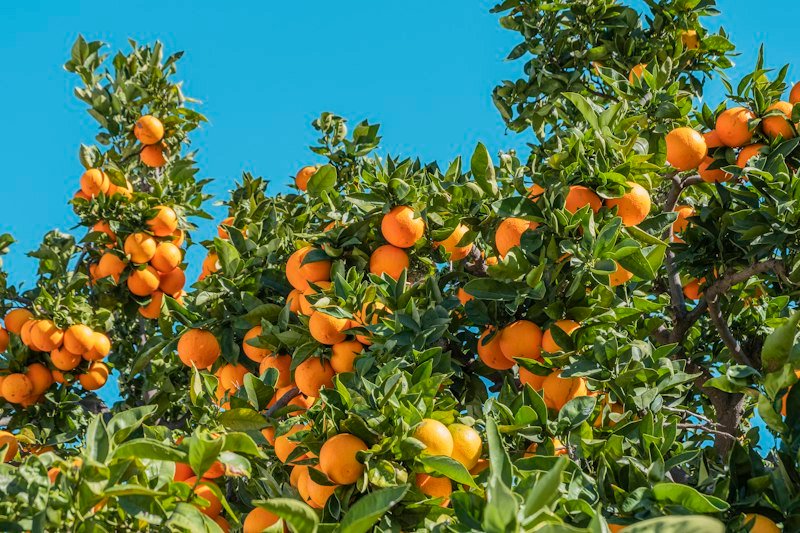
Zone 9
20 to 30°F
Central Florida, south Texas, central California
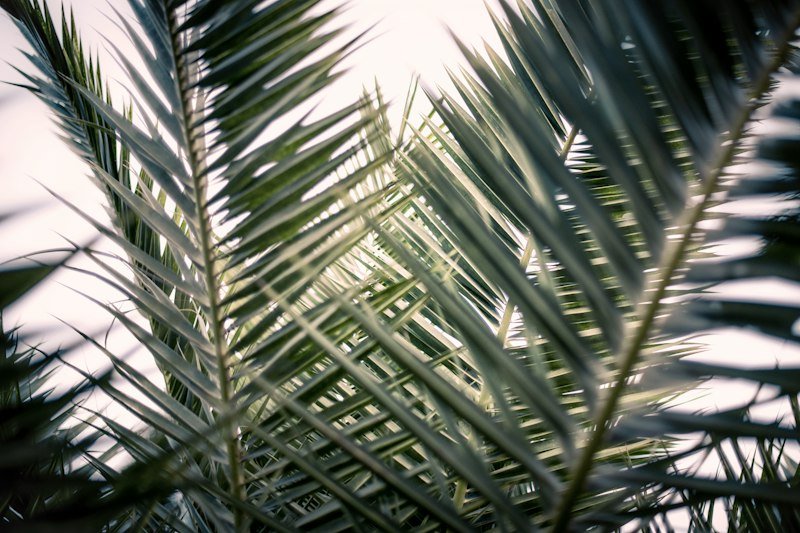
Zone 10
30 to 40°F
South Florida and coastal Southern California
Zones shown are typical for each region — always confirm your exact zone by ZIP code on the USDA map, since elevation and cities can shift it.
Guide library
Popular Gardening Questions We Answer
Quick answers to the questions US gardeners search most — each one becomes a detailed, step-by-step guide.
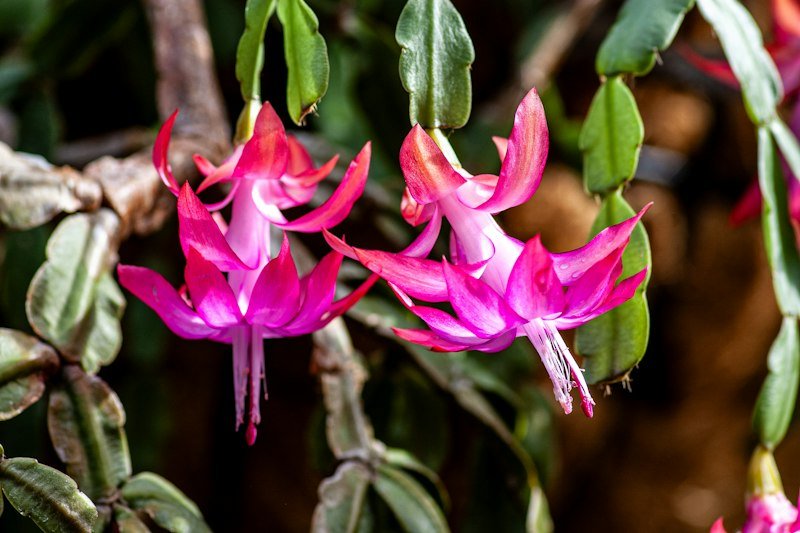
Houseplants
- How to care for a Christmas cactus
- How to care for poinsettias
- Why money tree leaves turn yellow
- How to care for a prayer plant
- How to care for aloe vera
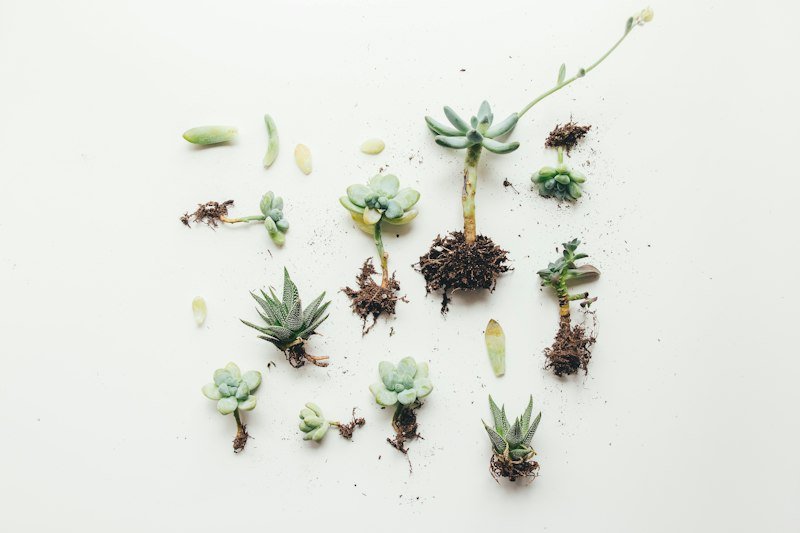
Plant Propagation
- How to propagate succulents
- How to propagate a jade plant
- How to propagate a fiddle leaf fig
- How to propagate pothos in water
- How to propagate spider plant babies
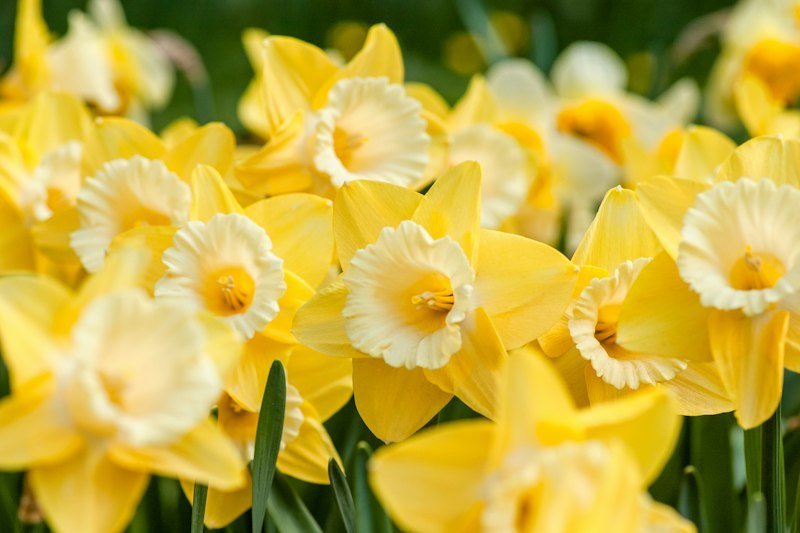
Flowers & Bulbs
- When to plant daffodil bulbs
- When to plant iris bulbs
- How to grow tulips in pots
- When to plant dahlias
- When to plant zinnia seeds
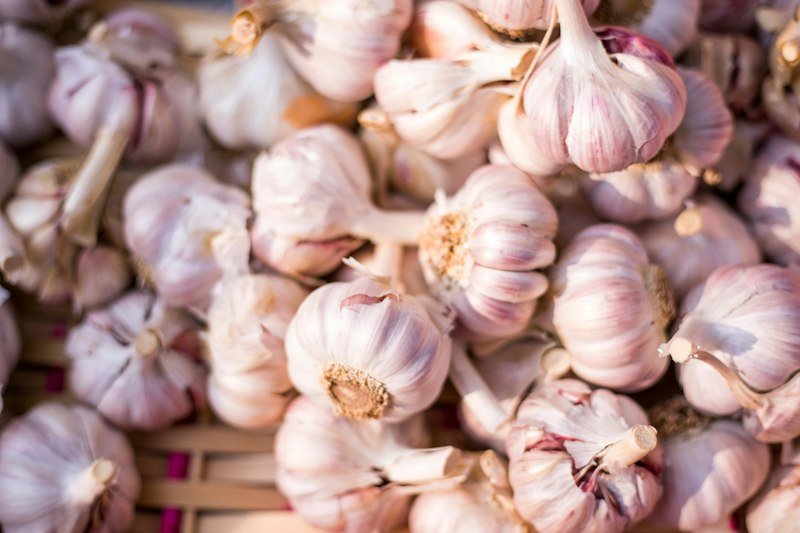
Vegetables & Herbs
- When to plant garlic
- How to grow onions
- How to grow carrots
- How to grow potatoes in a container
- How to grow turmeric
Fruit Growing
- How to grow dragon fruit
- How long does it take to grow a pineapple
- How to grow a mango from seed
- How to grow blackberries
- How to grow rhubarb
Lawn Care
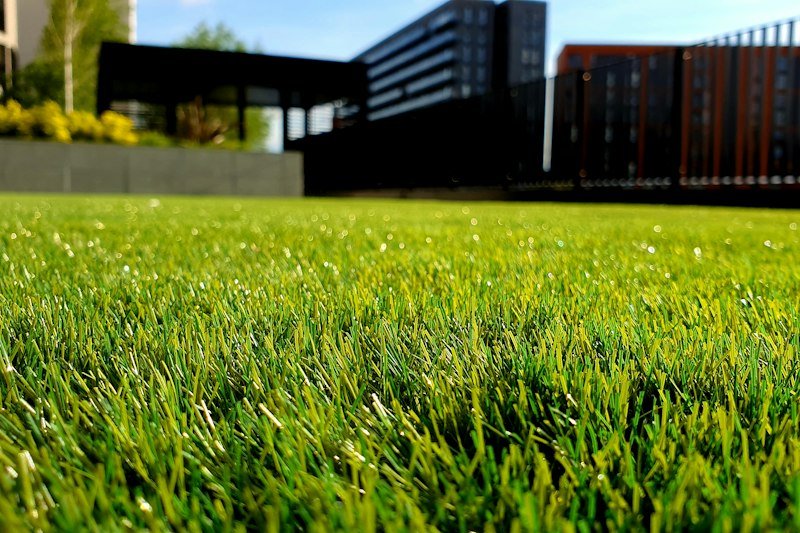
- How long does grass seed take to grow
- Best time to plant grass seed
- How to overseed a thin lawn
- How often to water new grass seed
- When to fertilize your lawn
Plant doctor
Common Plant Problems & Quick Fixes
Spot the symptom, find the likely cause, and fix it fast.
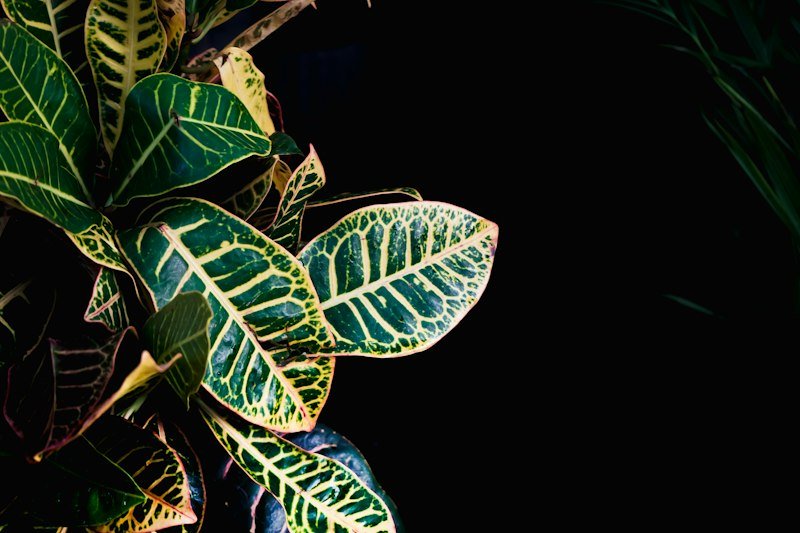
Yellow Leaves
Usually overwatering or poor drainage. Let soil dry out, check the roots and use a pot with drainage holes.
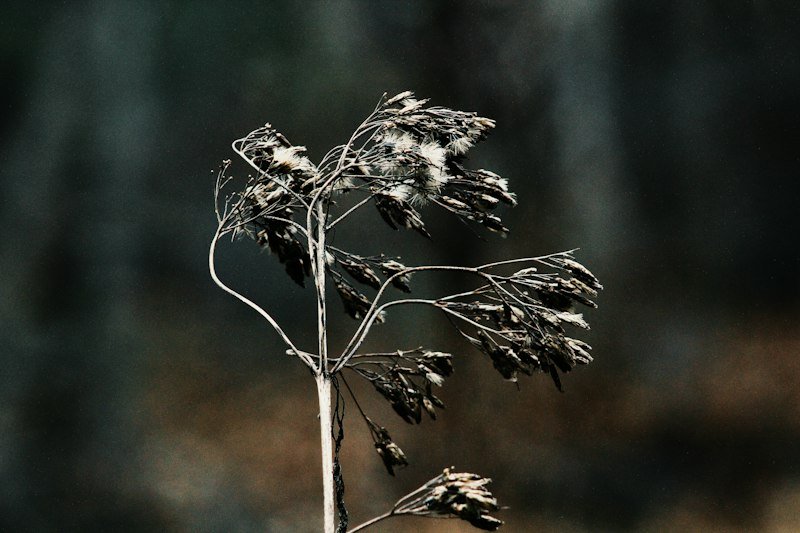
Drooping Plant
Often thirst or heat stress. Water deeply if soil is dry; if soil is wet, suspect root rot instead.
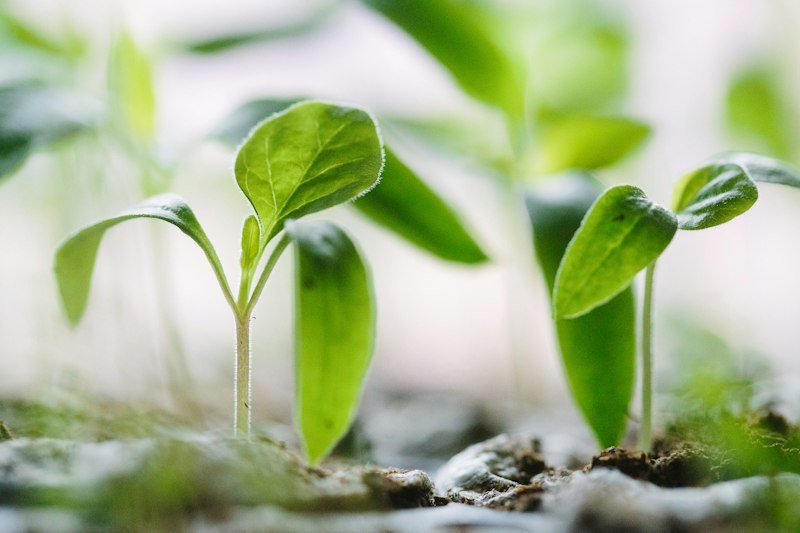
Leggy Seedlings
Not enough light. Move them to a brighter spot or use a grow light 2–4 inches above the plants.
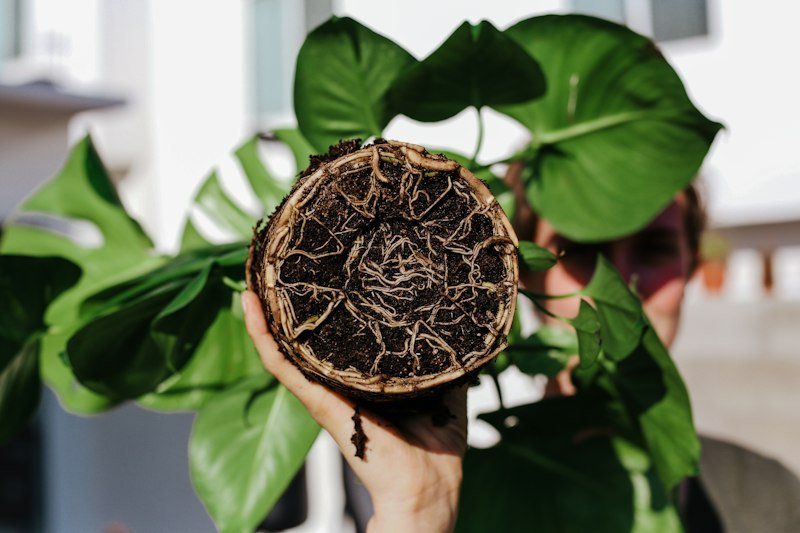
Root Rot
Soggy soil for too long. Trim brown, mushy roots and repot in fresh, well-draining mix.
Best plants for beginners
10 Easy Plants Anyone Can Grow
Start with plants that forgive mistakes. These are reliable for first-time gardeners indoors and out.
| Plant | Where to Grow | Light | Water | Why It’s Easy |
|---|---|---|---|---|
| Pothos | Indoors | Low to bright indirect | When top 1–2 in. of soil is dry | Tolerates neglect; roots easily in water |
| Snake Plant | Indoors | Low to bright indirect | Every 2–4 weeks | Very drought tolerant |
| Spider Plant | Indoors | Bright indirect | Keep lightly moist | Makes babies you can propagate |
| Jade Plant | Indoors | Bright, some direct sun | When soil is fully dry | Succulent that grows from cuttings |
| Aloe Vera | Indoors (outdoors in zones 9–11) | Bright light | Every 2–3 weeks | Stores water in its leaves |
| Basil | Garden or sunny windowsill | Full sun | Keep evenly moist | Fast growing; harvest within weeks |
| Leaf Lettuce | Garden or containers | Full sun to part shade | Keep evenly moist | Ready to pick in about 4–8 weeks |
| Zinnias | Garden | Full sun | Deep water weekly | Sprout in days and bloom all summer |
| Sunflowers | Garden | Full sun | Deep water weekly | Big seeds that are easy to handle |
| Mint | Containers | Sun to part shade | Keep moist | Very vigorous — best kept in pots |
Gardening essentials
Beginner Gardening Tools You Actually Need
You don’t need an expensive shed full of gear. These six basics cover almost every task in our guides.
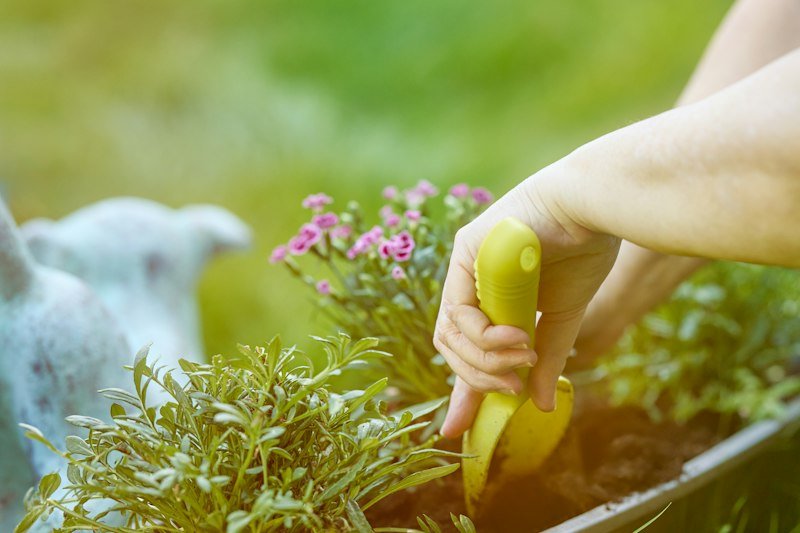
Hand Trowel
For planting bulbs, seedlings and transplants in beds and pots.
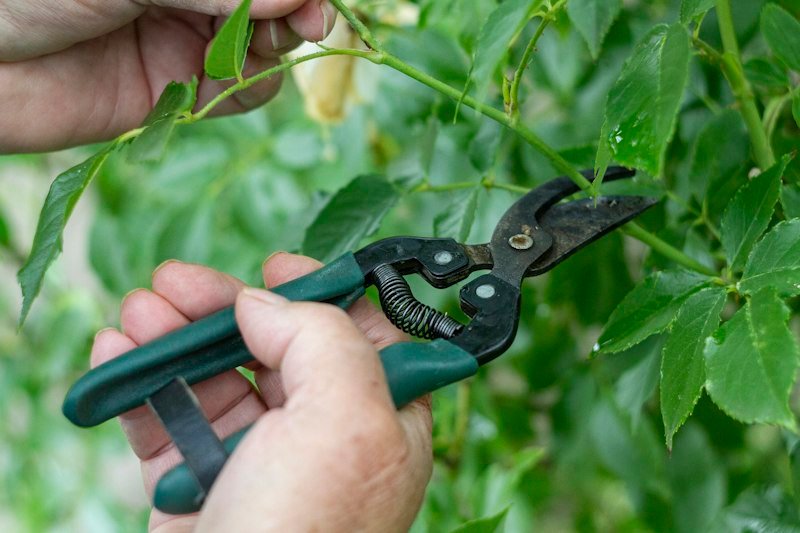
Bypass Pruners
Clean cuts for taking cuttings, deadheading and trimming.
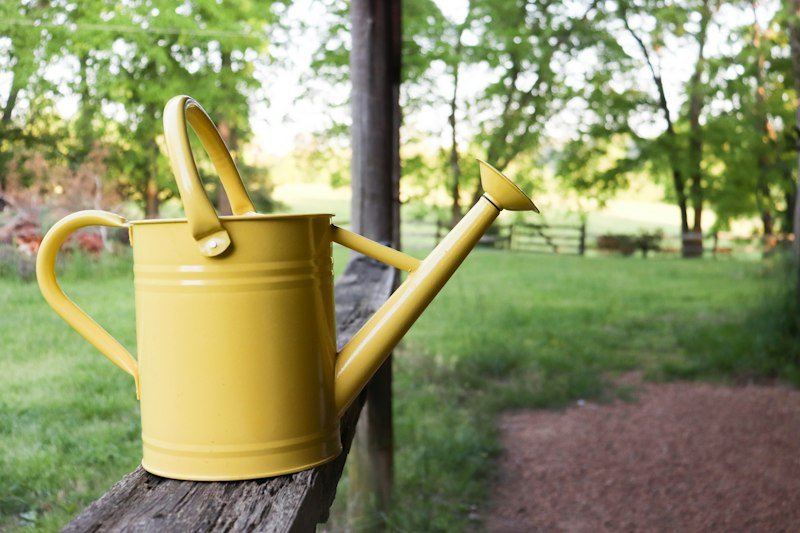
Watering Can
A long spout with a rose head waters gently without washing out soil.
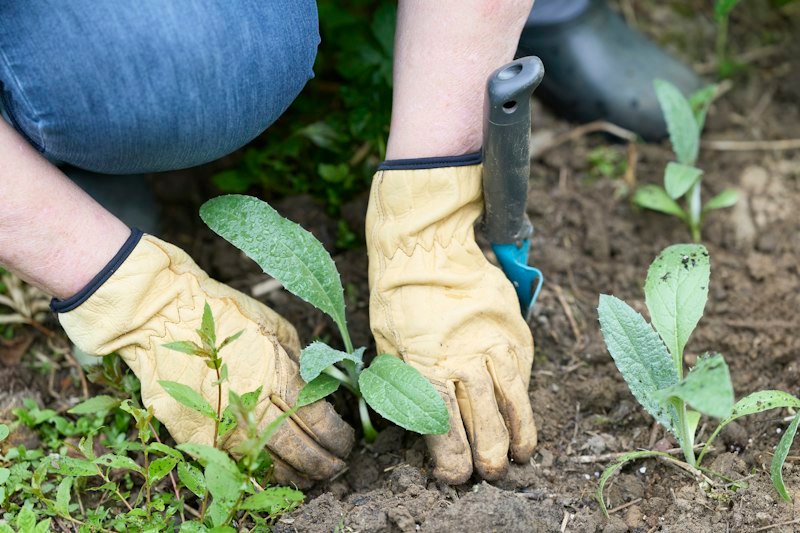
Gardening Gloves
Protect hands from thorns, soil and blisters.
Soil Moisture Meter
Takes the guesswork out of watering houseplants.
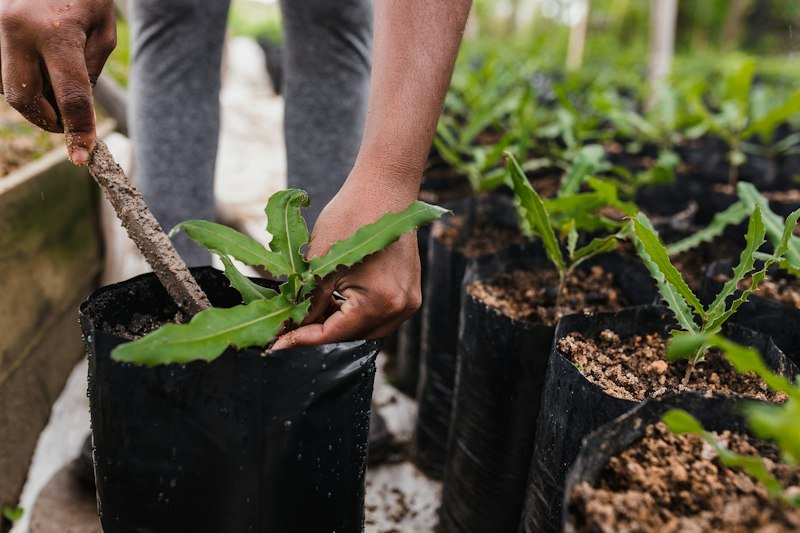
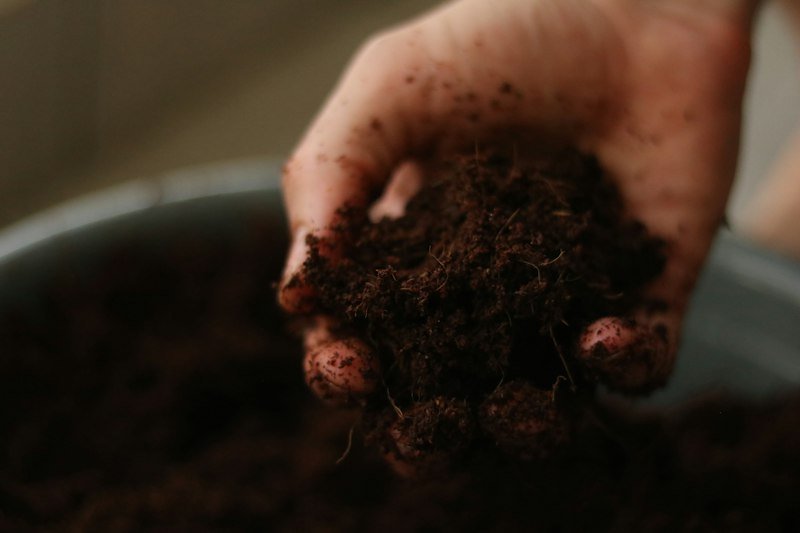
Well-Draining Potting Mix
The right mix prevents root rot in containers.
Fresh from the garden
Latest Gardening Guides
No posts
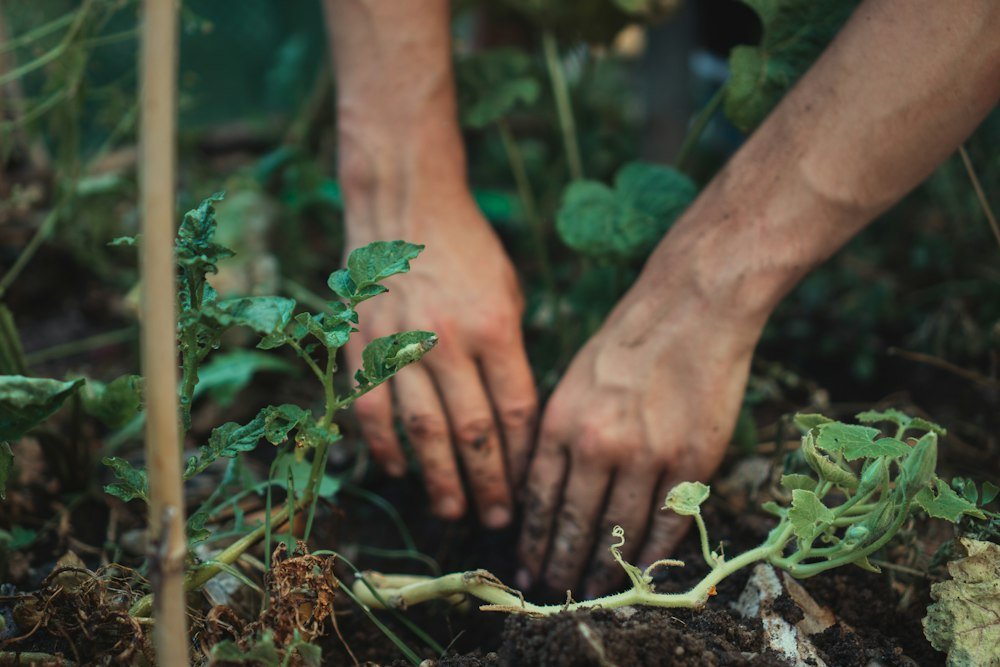
Who’s behind the guides
Meet John Alina
Hi, I’m John — the gardener behind The Garden Guidez. I grow houseplants, vegetables, herbs and flowers at home, and I started this site to share the simple, practical advice I wish I’d had as a beginner.
- Grows the plants he writes about and shares real results
- Cross-checks advice with university extension and USDA sources
- Reviews and updates every guide as the seasons change
How we create our guides
Real Experience + Trusted Research
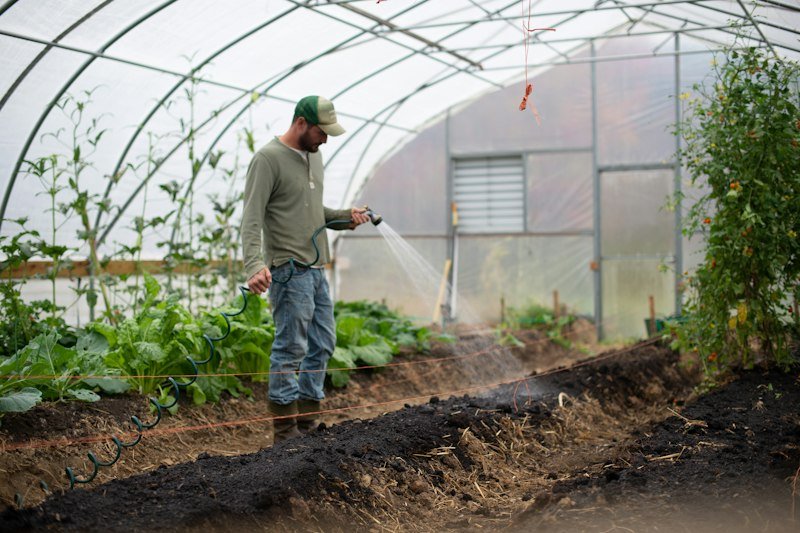
01
Grow & Observe
We grow the plants we write about and note what actually works — timing, soil, light and watering.
02
Research & Verify
Every recommendation is checked against university extension and USDA hardiness zone guidance.
03
Review & Update
Guides are reviewed every season, and each article shows its last updated date.
Trusted sources we rely on: USDA Plant Hardiness Zone Map · Cooperative Extension · Frost date calculators
Quick answers
Gardening Questions, Answered Fast
Short, direct answers to the questions home gardeners ask most. Each topic has a full step-by-step guide.
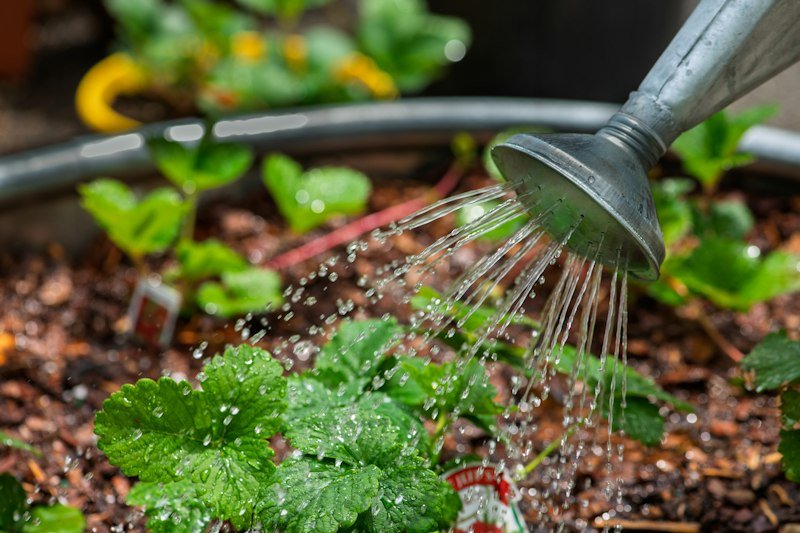
How often should I water houseplants?
Water most houseplants when the top 1–2 inches of soil feel dry — often every 1–2 weeks. Succulents and cacti need water less often.
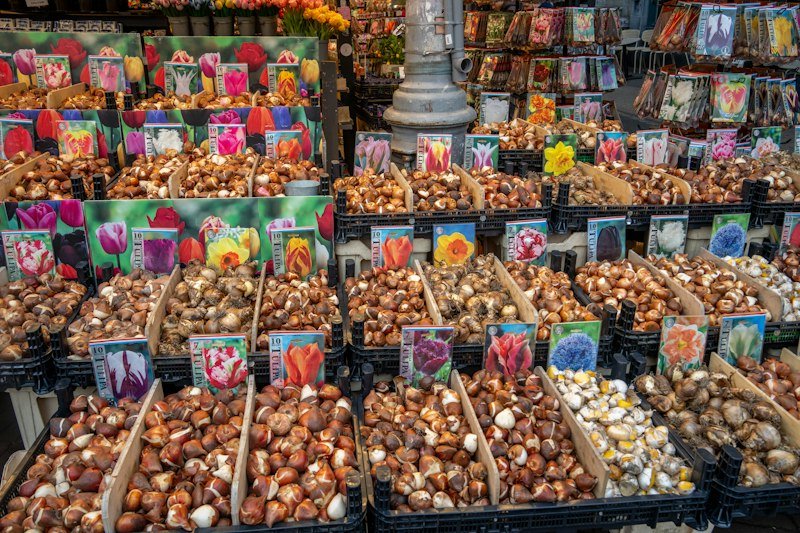
When should I plant spring bulbs?
Plant tulips, daffodils and other spring bulbs in fall, about 6–8 weeks before the ground freezes — usually September to November in most US zones.

How long does grass seed take to grow?
Most grass seed sprouts in 5–30 days. Ryegrass is fastest (about 5–10 days), tall fescue takes 7–14 days and Kentucky bluegrass 14–30 days.
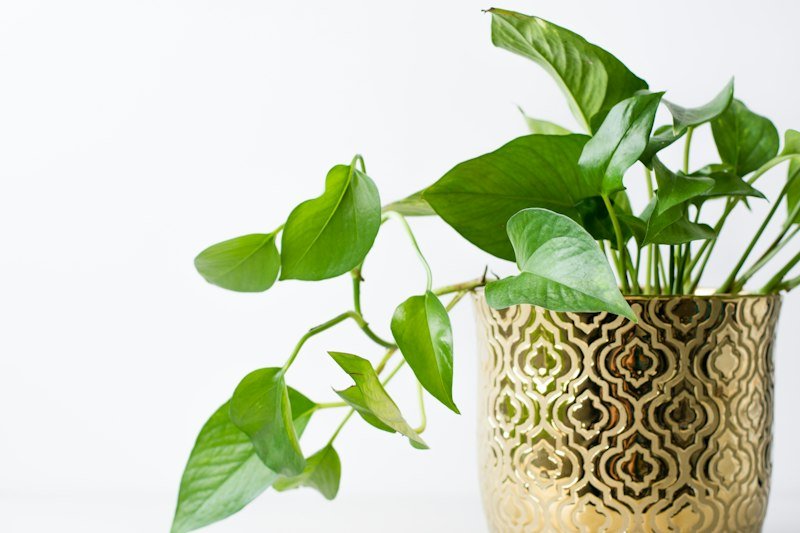
How long does pothos take to root in water?
Pothos cuttings usually grow roots in 2–4 weeks. Move them to soil once the roots are 1–2 inches long.
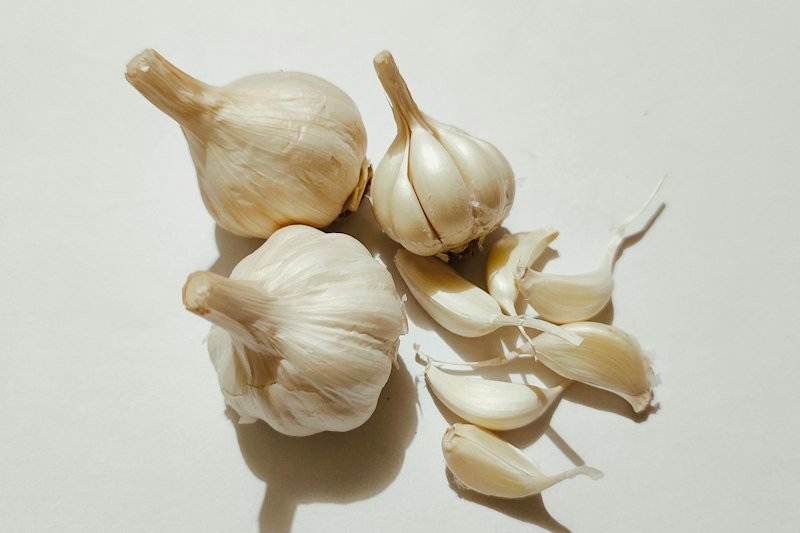
When should I plant garlic?
Plant garlic cloves in fall, a few weeks before the ground freezes — typically October to November in most US zones — for a summer harvest.
How much sun do vegetables need?
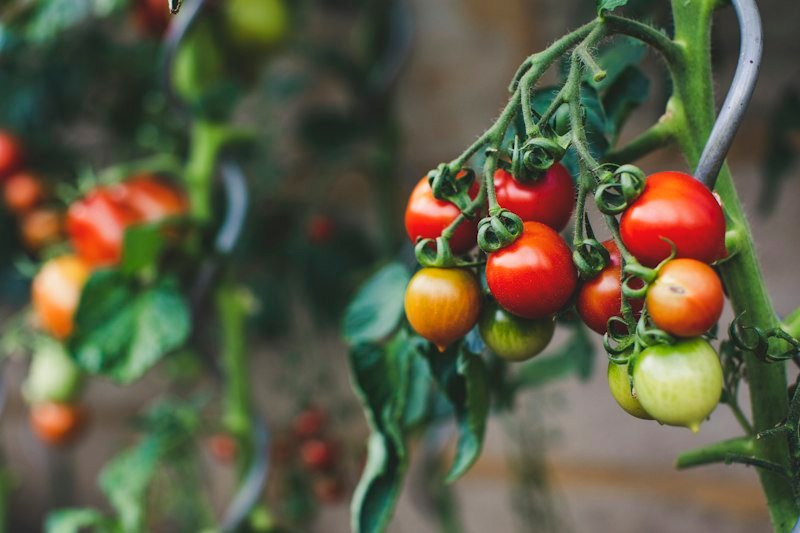
Fruiting crops like tomatoes, peppers and squash need 6–8 hours of direct sun. Leafy greens such as lettuce and kale can grow with 3–4 hours.
Gardening glossary
Gardening Terms Explained
New to gardening words? Here’s what the most common terms in our guides mean.
Hardiness Zone — A USDA map area based on the average coldest winter temperature.
Frost Date — The average date of the last spring or first fall frost in your area.
Annual — A plant that completes its life cycle in one growing season.
Perennial — A plant that comes back year after year.
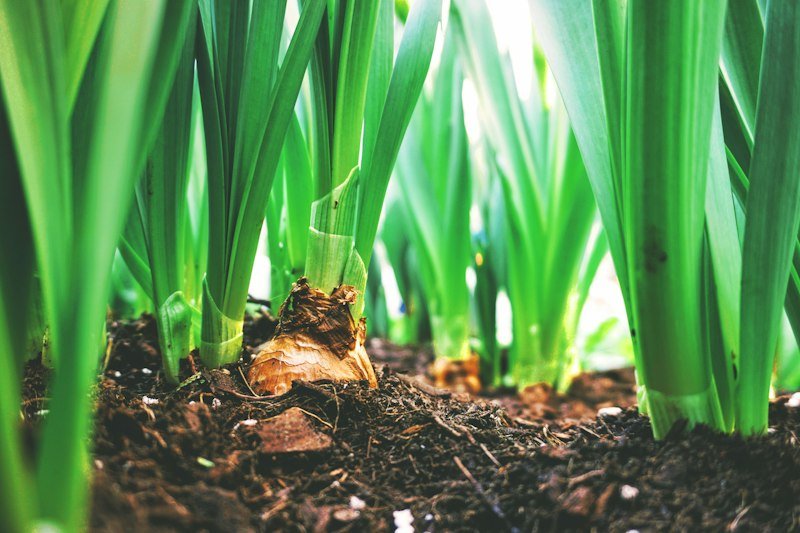
Bulb — An underground storage organ (like a tulip) that holds energy for next season’s growth.
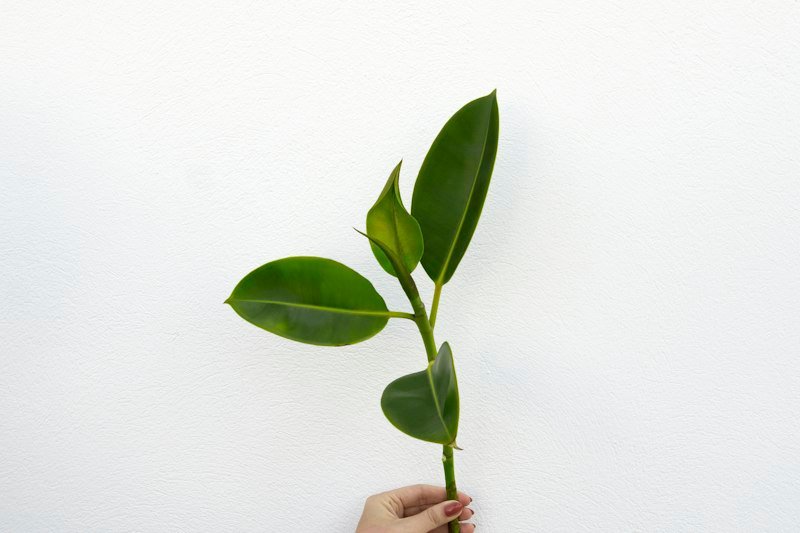
Propagation — Growing new plants from cuttings, leaves, seeds or divisions of a parent plant.
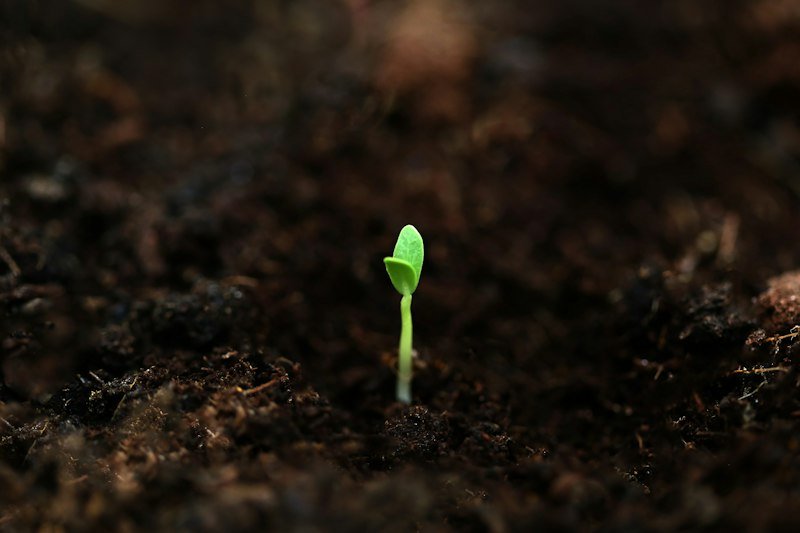
Germination — When a seed sprouts and begins to grow.
Hardening Off — Slowly getting indoor seedlings used to outdoor sun and wind.
Deadheading — Removing faded flowers to encourage more blooms.
Root Rot — Decay of roots caused by soggy, poorly drained soil.
Well-Draining Soil — Soil that lets excess water flow out quickly instead of pooling.
Mulch — A layer of material on soil that keeps in moisture and blocks weeds.
FAQ
Frequently Asked Questions
Ready to Grow Something Beautiful?
Start with our most popular topics and build your confidence one plant at a time.